
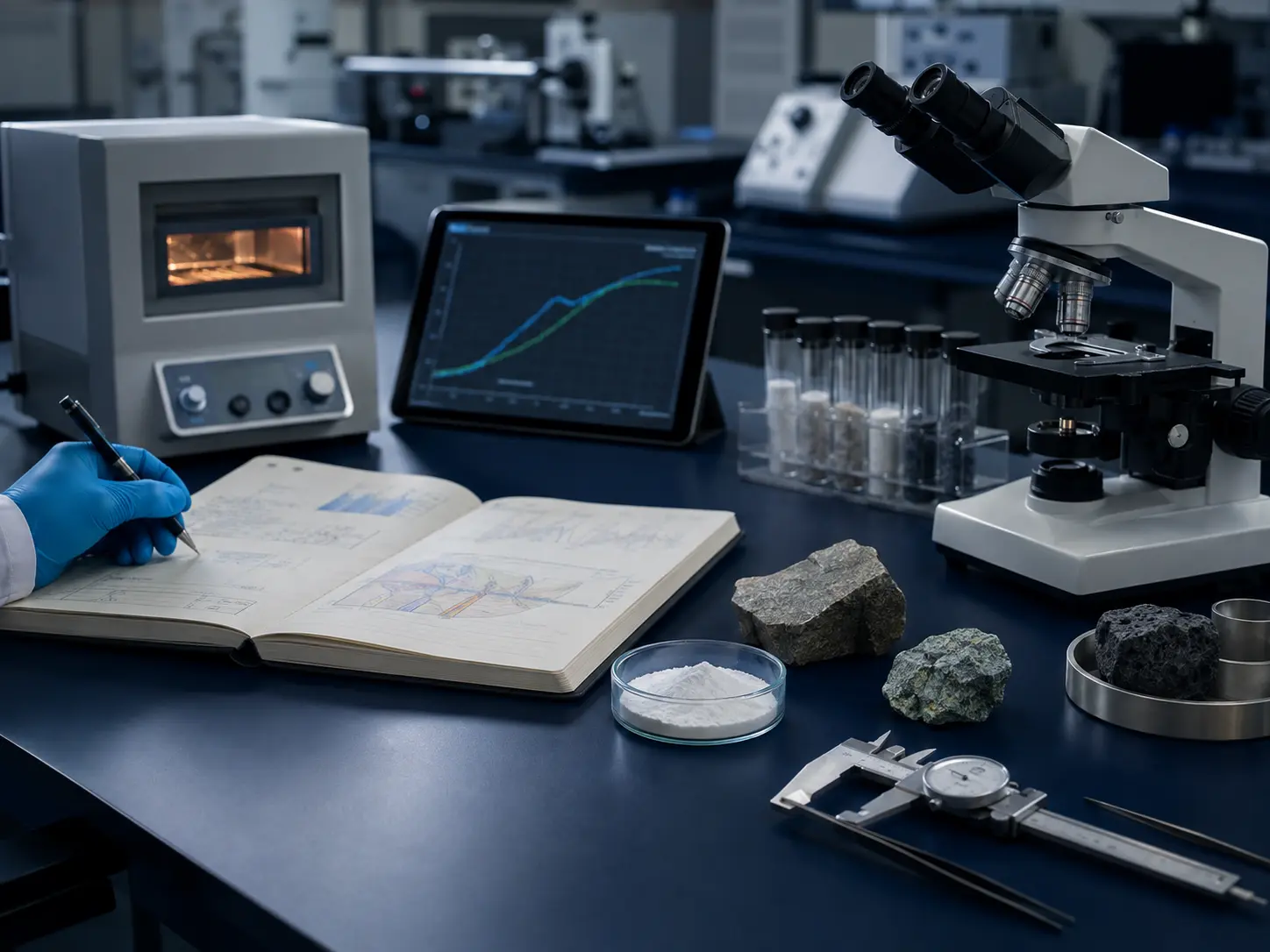
Materials researcher reviewing samples and analytical data in a laboratory

Technical Resources

Critical materials and research insights.

Independent LINKX commentary on developments affecting rare earths, permanent magnets, advanced materials and purpose-configured research systems.

Each article is based on a dated primary source and explains the practical relevance for material users, laboratories and industrial teams.

LINKX Perspective

From international developments to practical project decisions.

Critical-material markets are increasingly shaped by processing capacity, trade policy, recycling, technical qualification and the availability of specialist research infrastructure. These short articles identify developments with a direct connection to LINKX’s work across rare-earth materials, magnet applications, high-temperature systems and university or industrial research.

They are provided for general information. A project still requires an individual review of material grade, quantity, documentation, process conditions, destination and end use.

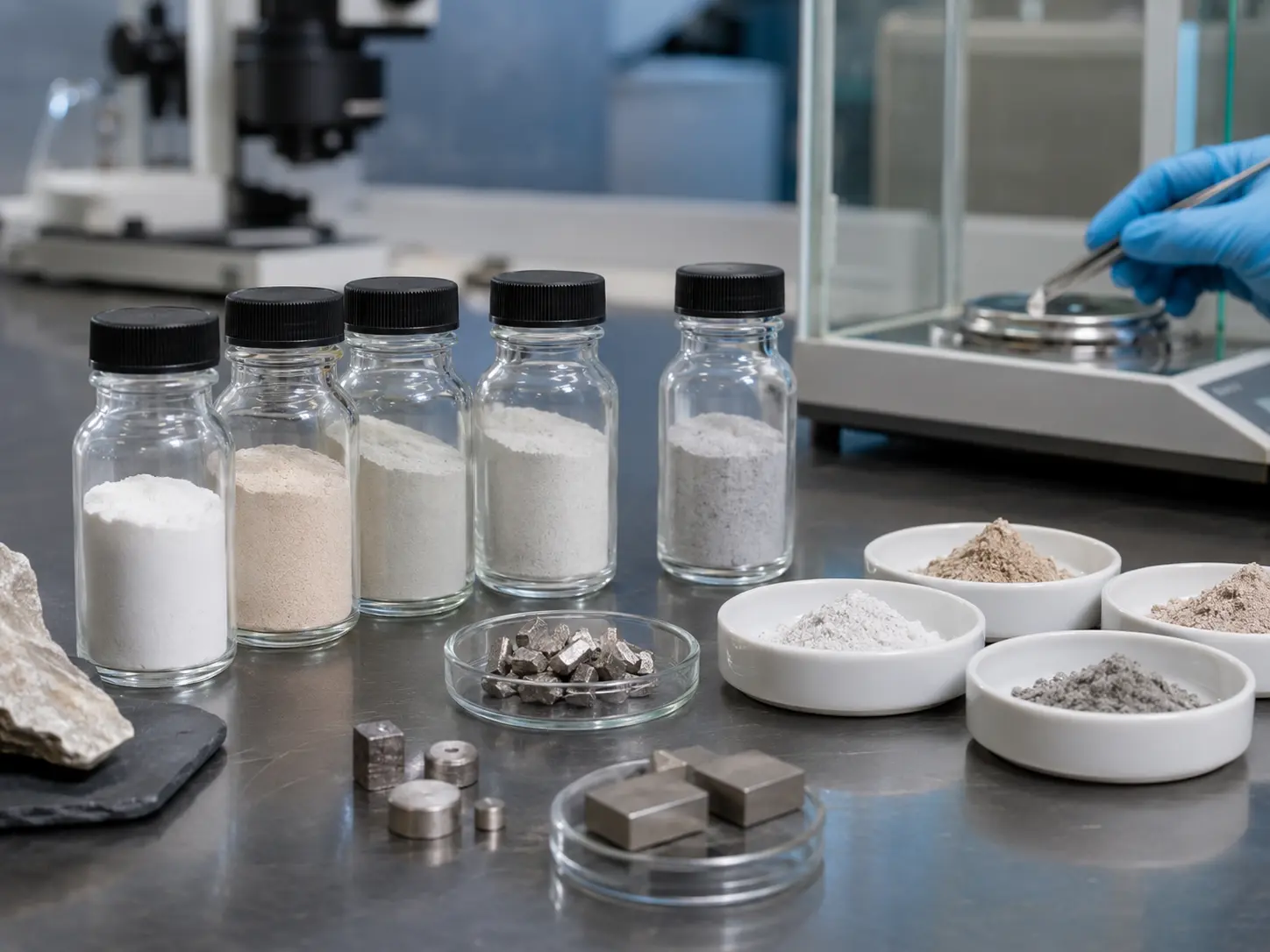
Rare-earth material samples arranged for technical evaluation
LINKX capability image: rare-earth materials prepared for specification review.
16 July 2026 · Market analysis

What the IEA’s 2026 outlook means for rare-earth users.

The International Energy Agency’s Global Critical Minerals Outlook 2026 places critical minerals at the centre of energy, manufacturing and economic-security planning. Its analysis covers market, investment and technology developments, with particular attention to supply-chain resilience, strategic minor minerals and the balance between mining, refining and manufacturing capacity.

For rare-earth users, the important message is that availability cannot be understood from mine output alone. Magnet-related elements pass through separation, refining, metal and alloy production, component manufacture and technical qualification before they reach an end application. A disruption at any one stage can affect lead time, price and the ability to substitute an alternative material.

Why specification discipline matters

Rare-earth requirements should identify the chemical form, purity, particle or dimensional requirements, quantity, packaging, documentation and intended application as early as possible. This allows technical and commercial options to be assessed before a project becomes dependent on a single route.

The same principle applies to advanced materials and research equipment. A laboratory that documents temperature, atmosphere, pressure, sample geometry and validation requirements clearly is better placed to compare configurations and manage change.

Practical considerations for 2026 planning

  • Allow time for technical qualification rather than treating material names as interchangeable.
  • Review documentation, origin and delivery constraints alongside price.
  • Consider staged quantities for trials, validation and scale-up.
  • Keep specifications current so that alternative routes can be evaluated consistently.

Primary source: International Energy Agency, Global Critical Minerals Outlook 2026, published 16 July 2026. LINKX commentary updated 5 August 2026.
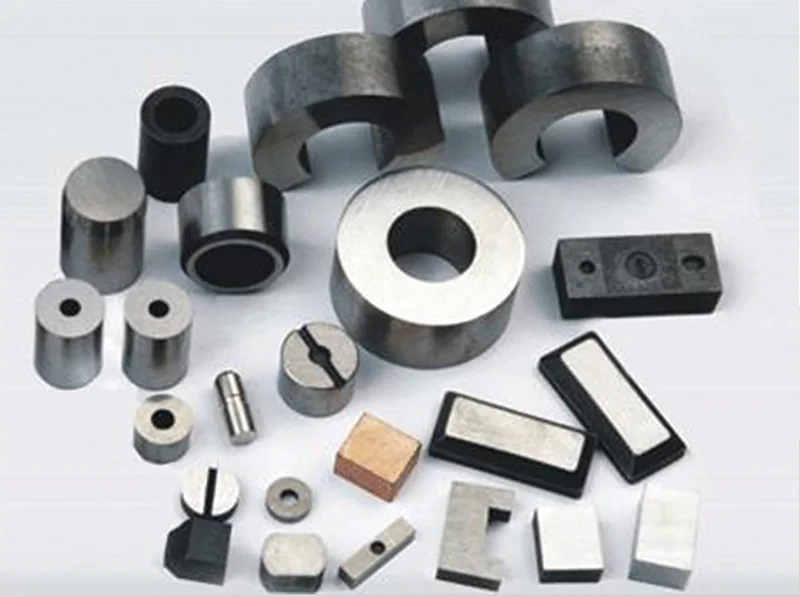
Precision permanent-magnet components prepared for industrial applications
LINKX capability image: permanent-magnet components for application-led review.
1 July 2026 · United Kingdom

UK Magnet Hub puts rare-earth manufacturing and research equipment in focus.

The UK Department for Business and Trade opened its Magnet Hub competition in July 2026. The programme offers up to £20 million toward a UK facility intended to develop rare-earth permanent-magnet manufacturing capability, technical skills, recycling and collaboration between industry and academia.

The proposed shared facility is significant because competitive magnet production depends on more than access to raw materials. It also requires controlled alloy preparation, powder handling, forming, heat treatment, coating, magnetic characterisation and repeatable quality control. Each stage creates a need for appropriate process equipment, test methods and trained personnel.

Relevance to research and scale-up

Shared technical infrastructure can help bridge the gap between a promising laboratory result and a process that can be repeated at larger scale. Universities may need flexible equipment for experiments, while industrial users require control, documentation and throughput. Designing a system around the intended transition can reduce the risk of producing results that are difficult to reproduce.

The programme also highlights recycling as part of magnet resilience. Research in this area can involve demagnetisation, thermal treatment, separation, alloy recovery and reprocessing, all of which require careful control of atmosphere, temperature and material handling.

Questions to define before equipment selection

  • Which material form enters and leaves each process stage?
  • What temperature, atmosphere, vacuum or gas-flow range is required?
  • Which measurements demonstrate that a trial has succeeded?
  • How will the configuration support repeatability, maintenance and later scale-up?

Primary source: UK Department for Business and Trade, Critical Minerals Programme: Magnet Hub, published 1 July 2026. LINKX commentary updated 5 August 2026.
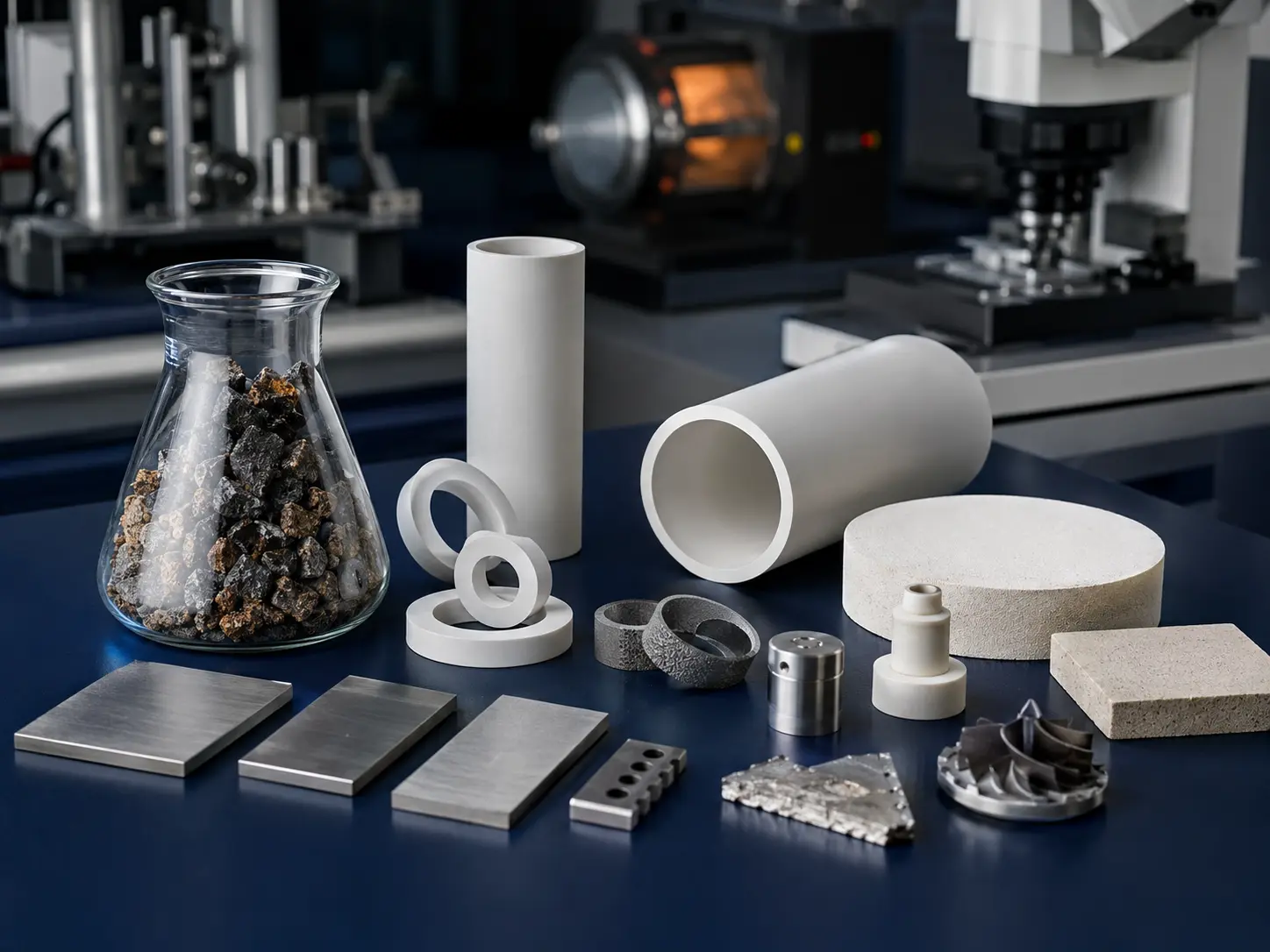
Advanced material powders and processed samples in a controlled laboratory setting
LINKX capability image: advanced material samples used in process-development work.
2 June 2026 · Process development

Rare-earth recovery from industrial waste moves toward demonstration scale.

The US Department of Energy announced US$134 million for two projects intended to demonstrate recovery and refining of rare-earth elements from unconventional feedstocks. The identified feedstocks include mine tailings, electronic waste and other industrial waste materials.

Moving from a laboratory separation to a demonstration facility is a demanding step. Feedstock composition can vary, impurities can accumulate and the most promising chemistry may still require changes to reactor design, solids handling, thermal treatment or downstream purification. A credible scale-up programme therefore depends on representative samples and clearly defined mass-balance, purity and recovery targets.

The equipment connection

Rare-earth recovery research may combine leaching, precipitation, filtration, calcination, high-temperature conversion and controlled-atmosphere treatment. Purpose-configured furnaces and reactors help researchers control the conditions that determine phase formation, reaction kinetics, contamination and product consistency.

Equipment should be selected around the chemistry rather than the label of the process. Materials of construction, seals, off-gas management, corrosion exposure, crucible compatibility and sampling access can all influence both safety and the validity of experimental results.

A useful development sequence

  • Characterise representative feedstock and its variability.
  • Define recovery, purity and waste-treatment objectives.
  • Validate critical stages with instrumented laboratory trials.
  • Preserve measurement and sampling capability during scale-up.

Primary source: US Department of Energy, US$134 million rare-earth supply-chain announcement, published 2 June 2026. LINKX commentary updated 5 August 2026.

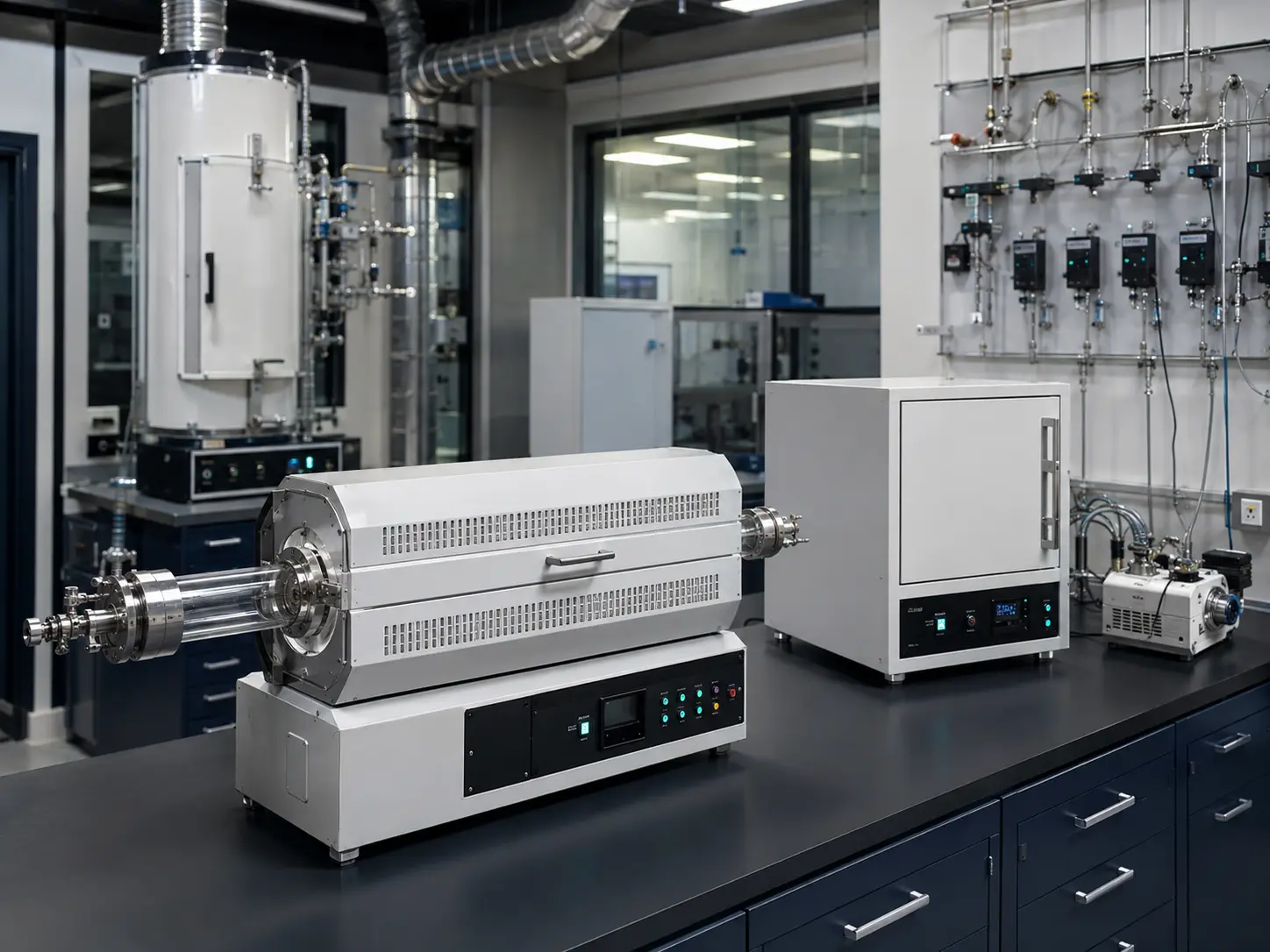
High-temperature furnace and process-control equipment in a research laboratory
LINKX capability image: high-temperature equipment for controlled process research.
8 May 2026 · Australia

New Australian facilities strengthen rare-earth processing research.

New critical-minerals facilities opened at the Australian Nuclear Science and Technology Organisation in Sydney in May 2026. The announced capabilities include work on clay-hosted rare-earth deposits and a high-temperature chlorination facility intended to produce high-purity quartz for advanced applications.

The development illustrates why processing research is central to critical-mineral value chains. Mineral occurrence alone does not determine whether a resource can become a consistent, high-purity product. Mineralogy, impurities, reagent behaviour, temperature, residence time and separation performance all influence the viable process route.

From material characterisation to configured systems

Early experiments often need flexibility because the operating window is still being discovered. As understanding improves, equipment can be configured around narrower conditions and more rigorous control. Capturing those conditions in a written process brief helps translate research needs into reactor volume, heating profile, atmosphere, vacuum, access, cooling and instrumentation requirements.

High-temperature chlorination also demonstrates the importance of materials compatibility and off-gas planning. These are not optional accessories: they are part of the core technical specification and must be reviewed alongside temperature capability.

What research teams should document

  • Feed material, impurities and expected reaction products.
  • Target temperature profile, atmosphere and residence time.
  • Corrosion, containment and off-gas considerations.
  • Sampling, analytical and acceptance criteria.

Primary source: Australian Government Ministers for the Department of Industry, Science and Resources, Australian-first facility to back critical minerals, published 8 May 2026. LINKX commentary updated 5 August 2026.

Editorial note. These LINKX articles summarise publicly available information and provide general technical commentary. They do not imply endorsement by, partnership with or representation of the cited organisations. Project decisions should be based on an individual technical, commercial and regulatory review.